
Every antique has a story, and that's exactly what does well on social media. A feed full of interesting finds and the stories behind them turns browsers into collectors who check your page every week.
Here are 25 social media post ideas for antique shops, vintage stores and antique centres, grouped by what they do for your business, plus a simple weekly plan, ready-made captions, hashtags and the mistakes to avoid.
Want this done for you? See our social media management for independent shops.
You might also like our guide to post ideas for watch repairers.
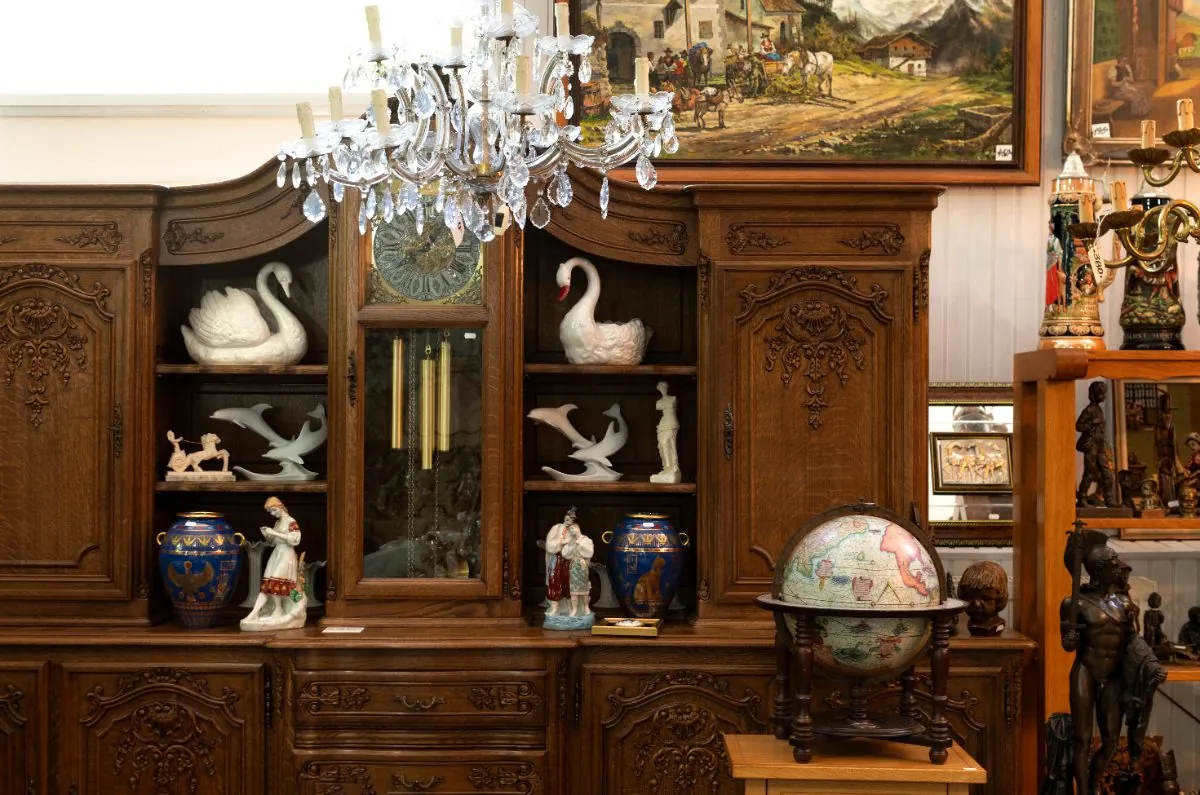
What should an antique shop post on social media?
The short answer: new finds as they arrive, the stories behind them, how to care for and style antiques, and clear ways to reserve or buy. Three to five posts a week is plenty.
Would you rather hand it over? See our social media management for independent shops and product brands, from £99+VAT a month.
Your weekly posting plan at a glance
You do not need to post every day. Three posts a week, each with a different job, is plenty for a busy antique shop.
The best piece that arrived last week.
The history of one item, maker or period.
Opening hours, fairs and what's just been reduced.
Restoration, sourcing trips or auction days.
Christmas gifts, spring styling, antiques fairs and Valentine's jewellery.
A happy customer with their find, with permission.
Post ideas that show off your finds
New stock is your most important content.
Just arrived
A new piece photographed properly, with price and size.
Find of the week
One special item and why it stands out.
Close-ups
Makers' marks, hallmarks, hand painting and wood grain.
Sold posts
Celebrate sales to show your stock moves.
Under a budget
Five finds under £50, for example.
Collections
Group items by era, maker or colour.
Post ideas that tell the stories
Stories make people care about objects.
The history behind it
Where it was made, when and by whom.
Maker spotlights
A potter, furniture maker or silversmith worth knowing.
Then and now
How an item was used and how people use it today.
Restoration
Before and after, done carefully.
Sourcing trips
House clearances, auctions and fairs you visit.
Antiques explained
What hallmarks mean or how to spot a reproduction.
Customer finds
Stories customers share about what they bought.
Post ideas that make buying easy
Many antiques sell online first, so make it simple.
How to reserve
Message to reserve, with a clear holding time.
Delivery and shipping
Where you deliver and how you pack fragile items.
Styling ideas
How a vintage piece looks in a modern home.
Gift ideas
Christmas, anniversaries and birthdays. Our 2027 social media calendar helps you plan ahead.
Fairs and events
Where you'll be trading next.
We buy
Let people know you buy antiques and clear houses.
Post ideas that build a following
Collectors come back again and again. Here's more on how to generate more engagement.
Customer reviews
Turn a five star review into a graphic. Here is how to encourage customers to leave a review.
Guess the age
Ask followers to guess the decade of a piece.
What is it?
Post an unusual object and let people guess what it's for.
Polls
Mid-century or Victorian?
Meet the dealers
The people behind each stall in an antique centre.
Care tips
How to clean silver, wax wood and look after old textiles.
Antique shop captions you can use
Swap in your own details and they are ready to go.
Just arrived ✨
A 1960s teak sideboard by G Plan, with its original handles and the label still inside the drawer.
£395. Message us to reserve it.
Ever wondered what this is?
It's a Victorian sugar nip, used to cut sugar from a solid cone before sugar came in cubes.
Ours is on the shelf for £28.
Guess the decade 🤔
This mirror came in this week from a house clearance in North Yorkshire.
Answer in the comments, and we'll reveal it on Friday.
Hashtags for antique shops
Use two or three of these, then add hashtags for your town and the services you want more of.
- #Antiques
- #AntiqueShop
- #VintageFinds
- #ShopVintage
- #VintageHome
- #AntiqueCollector
- #MidCenturyModern
- #VintageFurniture
- #SecondHandFirst
- #SustainableShopping
Antique shop social media dos and don'ts
Do
- Include the price, size and condition in every listing post
- Photograph pieces in good natural light, with close-ups of marks and flaws
- Reply to comments and messages quickly, as questions turn into sales. Our community management service can help
- Post to your Google Business Profile as well as your social channels
- Ask every happy customer for a review
Don't
- Claim a maker or age you can't support
- Hide damage that buyers would want to know about
- Post items without making it clear how to buy or reserve them
- Post only when things are quiet. Consistent feeds win more sales
- Rely on stock photos. Real photos of your own team and work are more convincing
Antique shop social media FAQs
What should an antique shop post on social media?
A mix of new finds, the stories behind them, care and styling tips, and clear ways to buy. Aim for posts that show off your finds, tell the stories, make buying easy and build a loyal following.
How often should an antique shop post on social media?
Three times a week is plenty. Consistency matters more than volume, so a steady three posts a week beats ten in one week followed by silence.
Which social media platforms are best for antique shops?
Instagram is the most important for antique shops, because the photos do the selling and collectors follow dealers closely. Facebook reaches local buyers and Marketplace, Pinterest suits styling ideas and Google Business Profile helps visitors find you.
Should antique shops sell through social media?
Yes. Many pieces sell from a post before anyone sees them in the shop. Make it clear how to reserve, pay and arrange delivery, and post new stock quickly.
How often should an antique shop post?
Post every time something interesting arrives, ideally three to five times a week, plus Stories for smaller items. Regular new stock keeps collectors checking your page.