Take a walk past any noticeboard, scroll through a local Facebook group, or glance in a shop window and you’ll likely spot it: the same identikit AI-generated poster style, over and over again. Like this one. Thanks, ChatGPT.
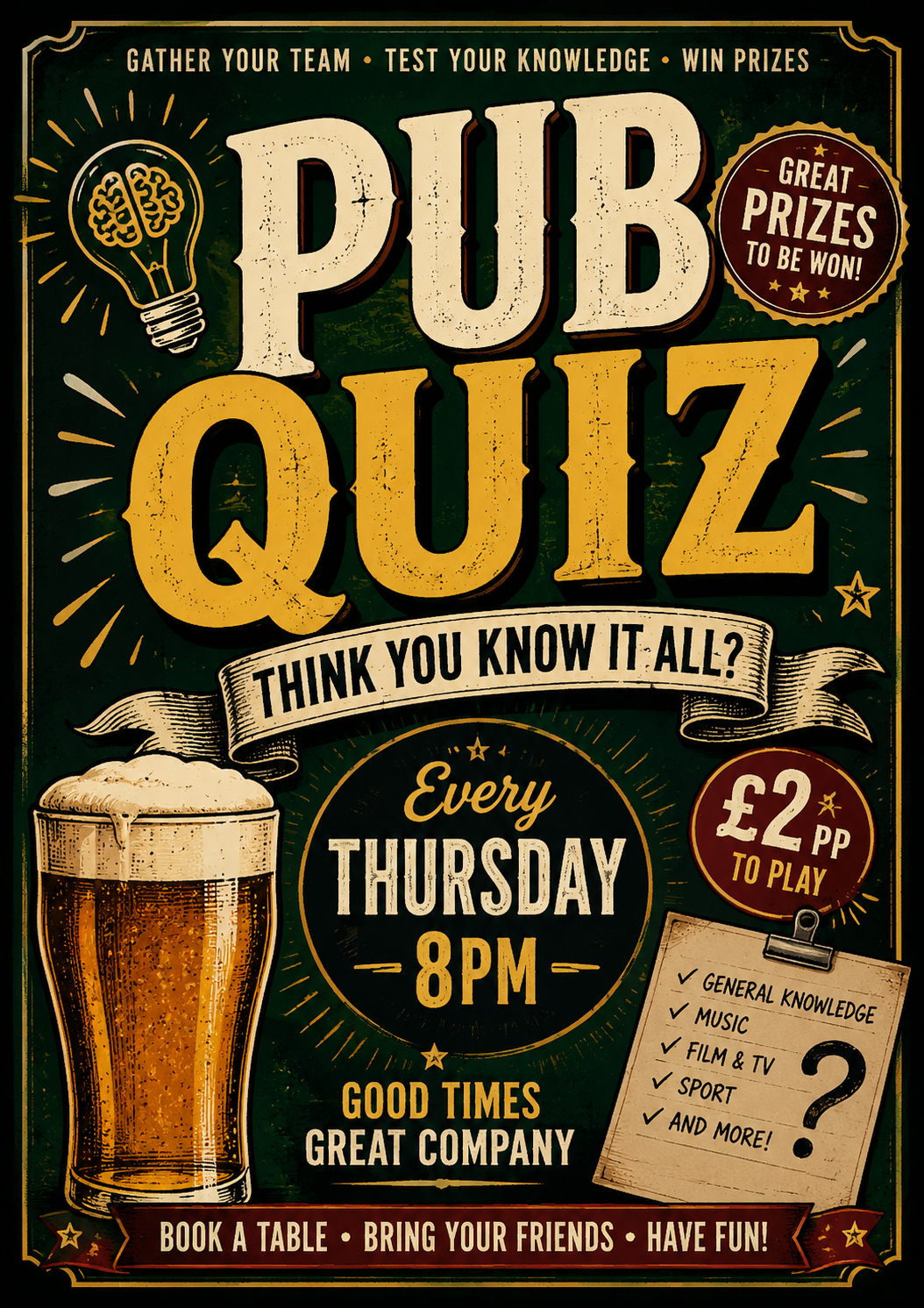
Bunting in the corners, text overlaid on wooden planks or old scrolls, a faint yellowy glow, and a crowd of suspiciously cheerful cartoon faces. It’s become so widespread that people have started calling it “AI poster slop“, and it’s a trend well worth understanding before your business follows the crowd.
What’s actually happening
Free AI image tools like ChatGPT have made it effortless for anyone to generate a poster in seconds.
Type in “summer fair” or “open mic night” and out comes something that looks technically fine, but so does everyone else’s. The artist Barry Whitehouse highlighted this earlier this year by collecting a dozen event flyers from completely different parts of the UK. They were so alike that he initially worried he’d duplicated the same image by mistake.
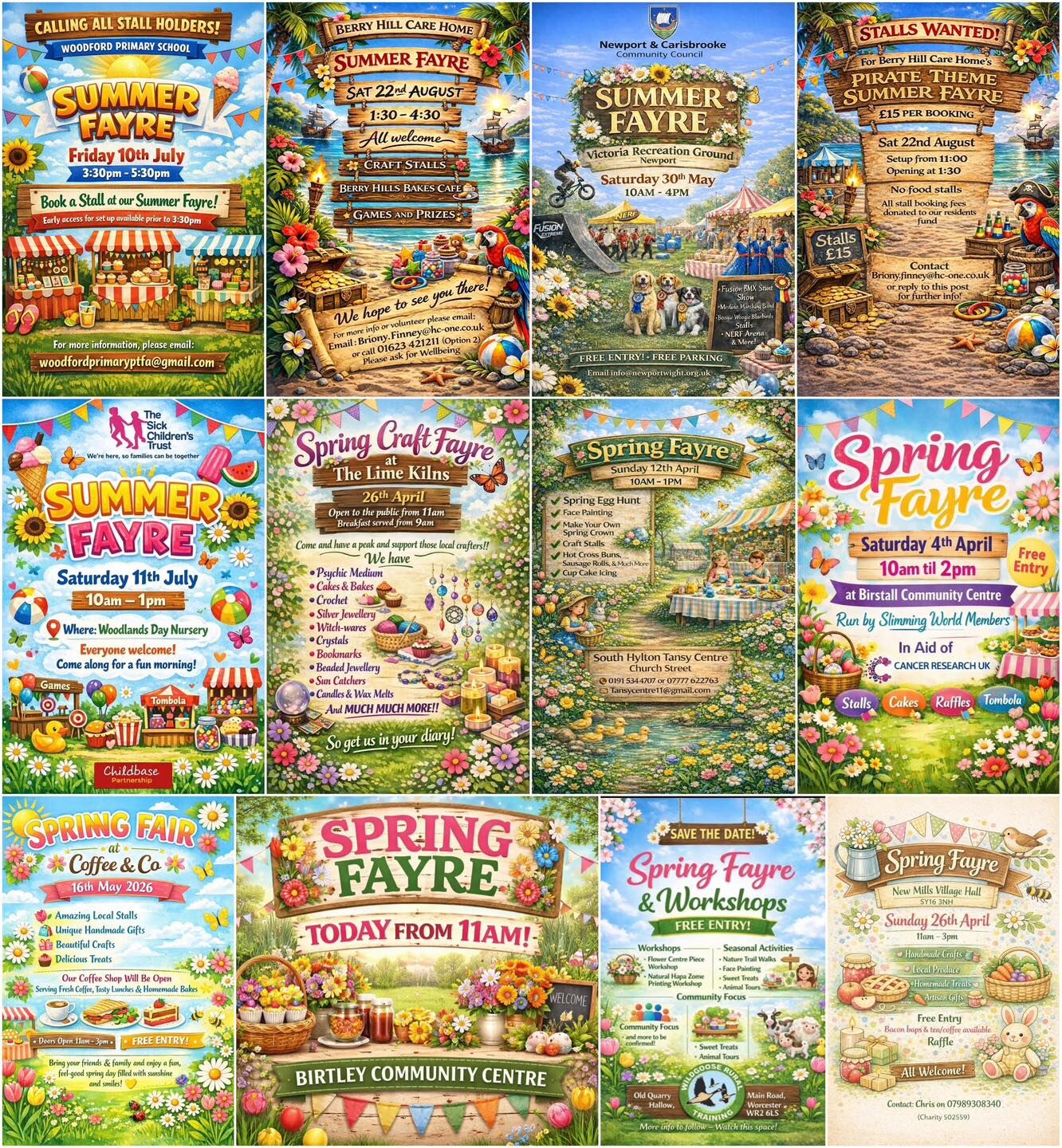
The tools tend to default to a very particular look, and that sameness is the whole problem. What was meant to save time and stand out ends up blending into the background noise.
Why it matters for your brand
The appeal is obvious: no design skills needed, no cost, no waiting around.
But the research suggests audiences notice, and they don’t respond well. People we’d describe as your customers use words like “cringe inducing” when talking about this style.
That’s the real risk here. A poster or social post isn’t just decoration, it’s often someone’s first impression of your business. If it looks identical to a hundred other local events or shops, it doesn’t just fail to stand out, it can actively signal that little thought went into the rest of your customer experience too.
There’s also a trust issue. Because so many scam adverts now use this exact aesthetic to look convincingly “professional”, genuine businesses using the same style risk being lumped in with the fakes, however unfairly.
The environmental angle
It’s also worth knowing that each AI-generated image carries a real energy and water cost, with data centres consuming significant resources to keep servers running and cool. For brands that care about sustainability messaging, that’s a detail your customers may increasingly factor in too.
What we’d recommend instead
None of this means AI has no place in marketing, used well it’s a genuinely useful tool.
The issue is relying on generic, unedited output as your entire visual identity. A few better approaches:
- Use AI as a starting point, not the finished product, then apply real brand colours, fonts and photography on top
- Invest in a proper template system so your posts and posters are recognisably yours, not recognisably “everyone’s”
- Keep real people, real photos and real personality at the centre of local and community facing content
- Get a second pair of eyes on anything before it goes out, so it doesn’t read as rushed
This is exactly the gap a proper social media partner fills. Consistent, on brand content that still looks and feels human takes time and expertise, but it’s what actually builds recognition and trust rather than blending into the slop.
If your current content is starting to look a bit too familiar, get in touch and we’ll help you stand out for the right reasons.